Thank you! Your submission has been received

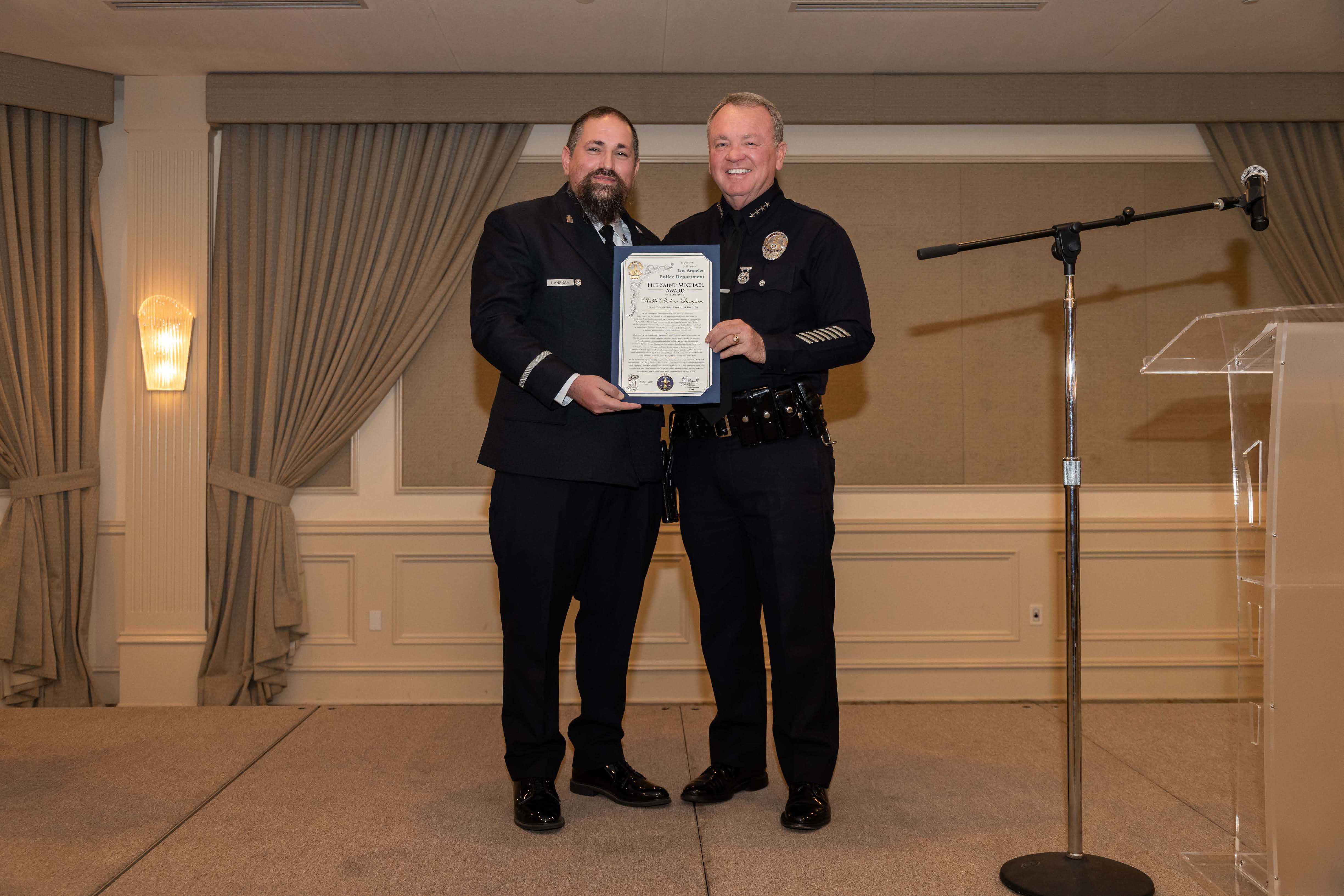
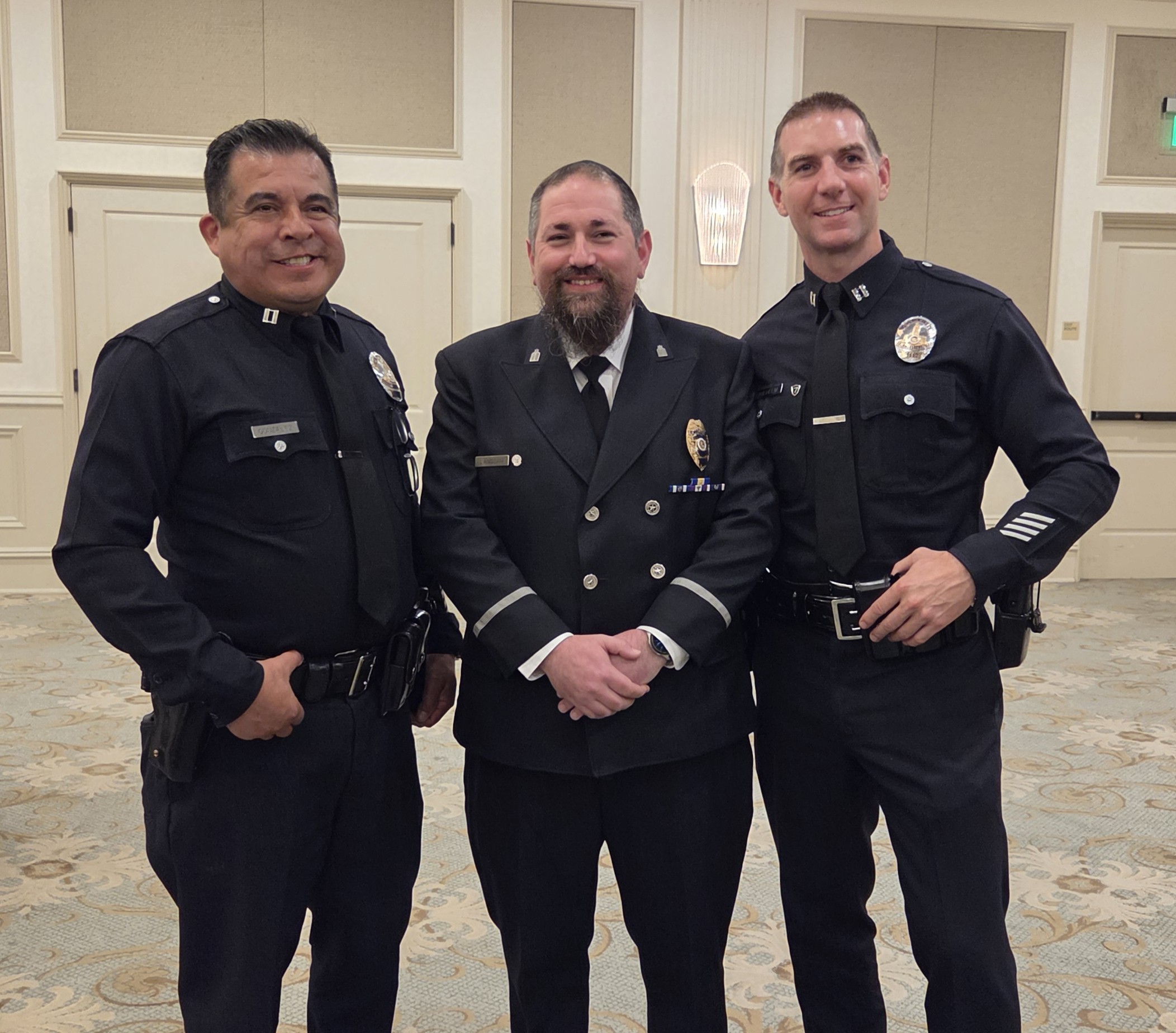
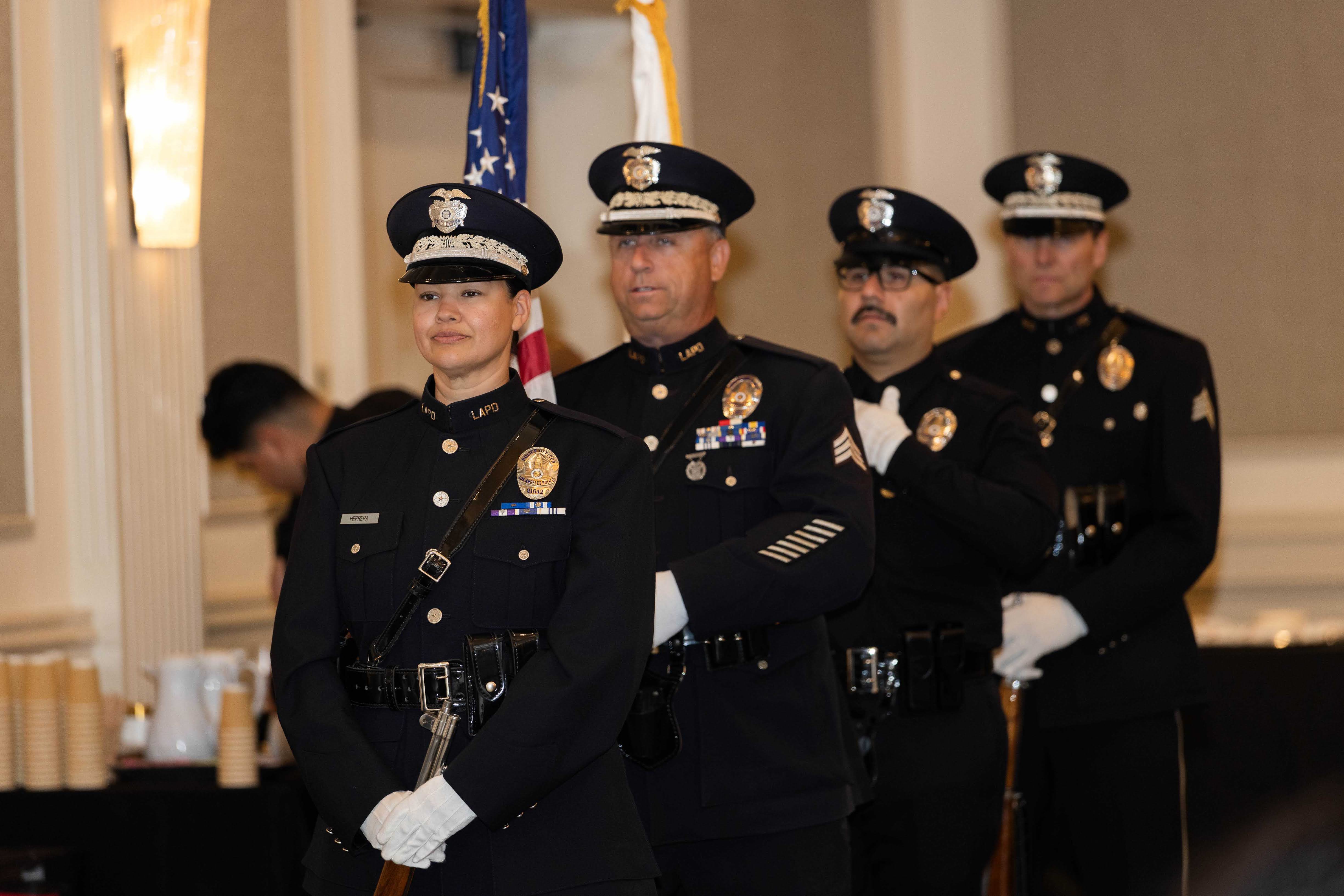
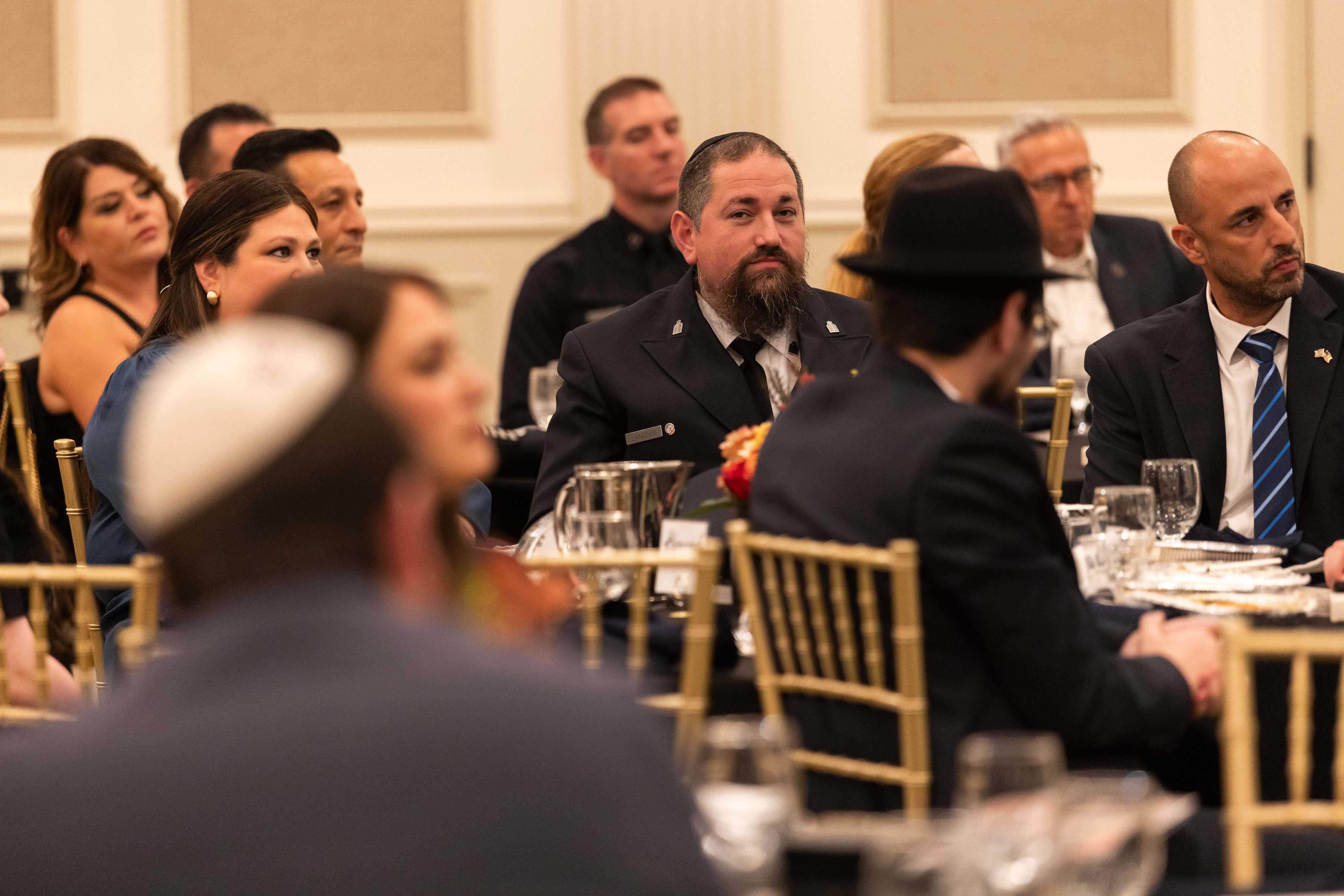
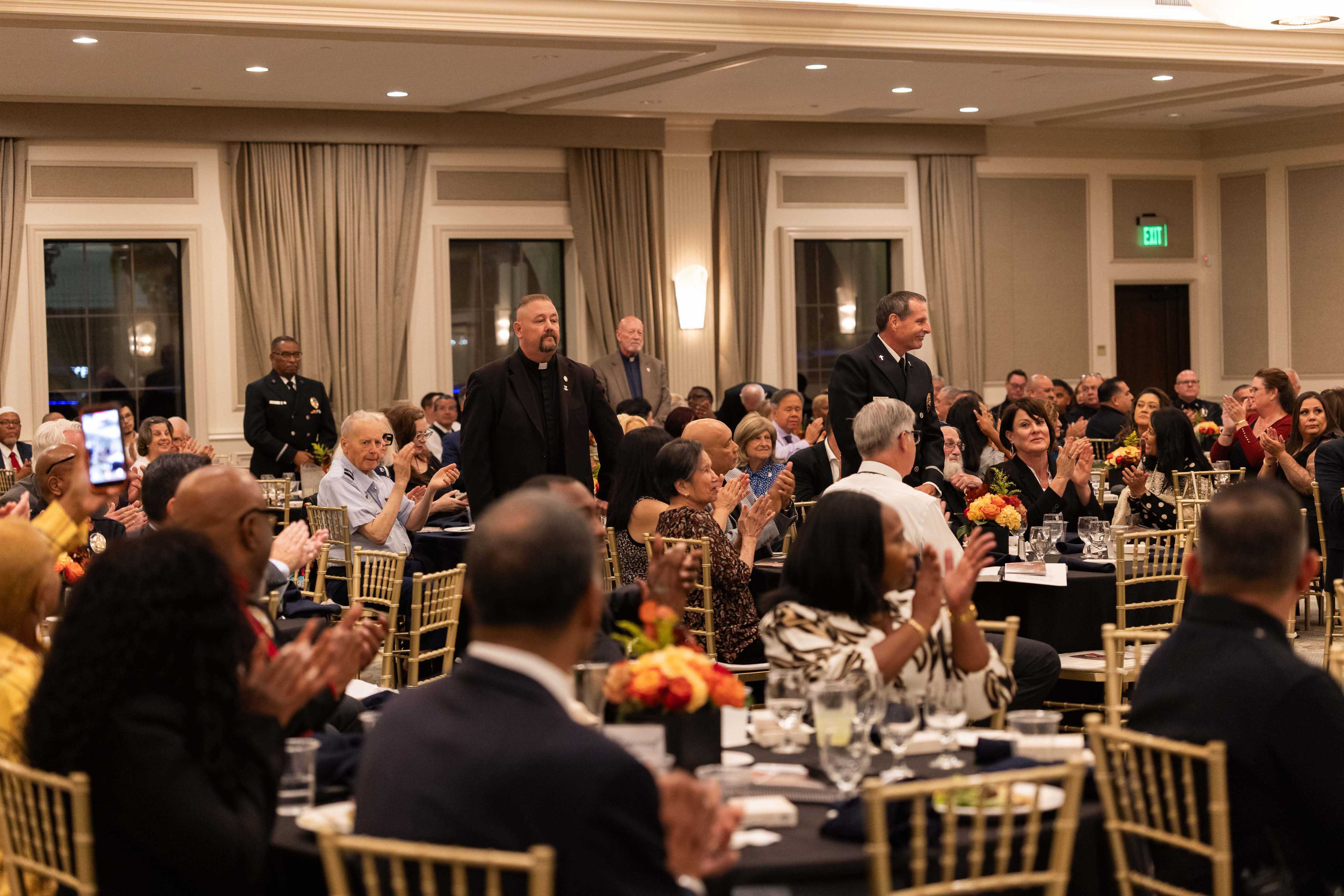
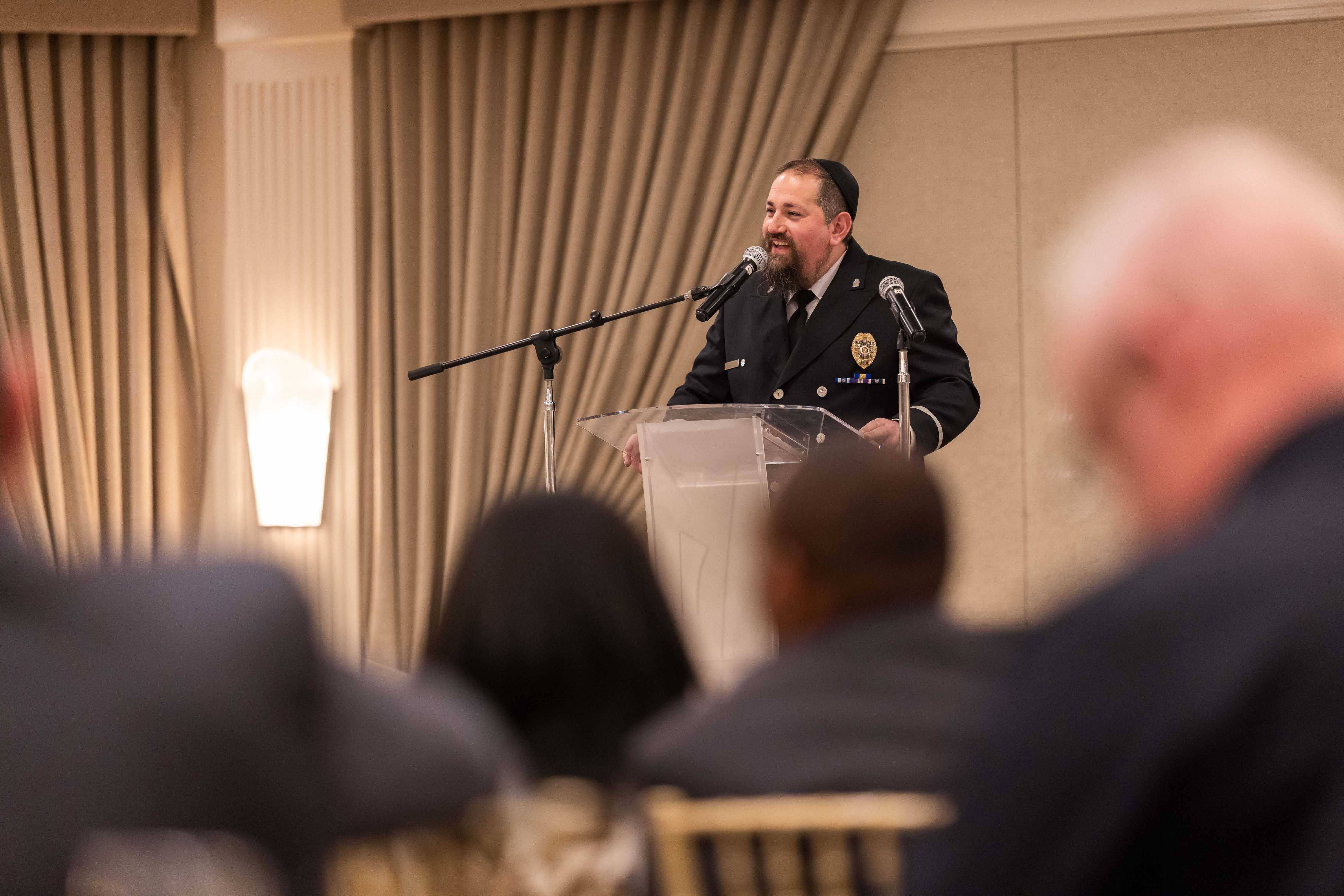
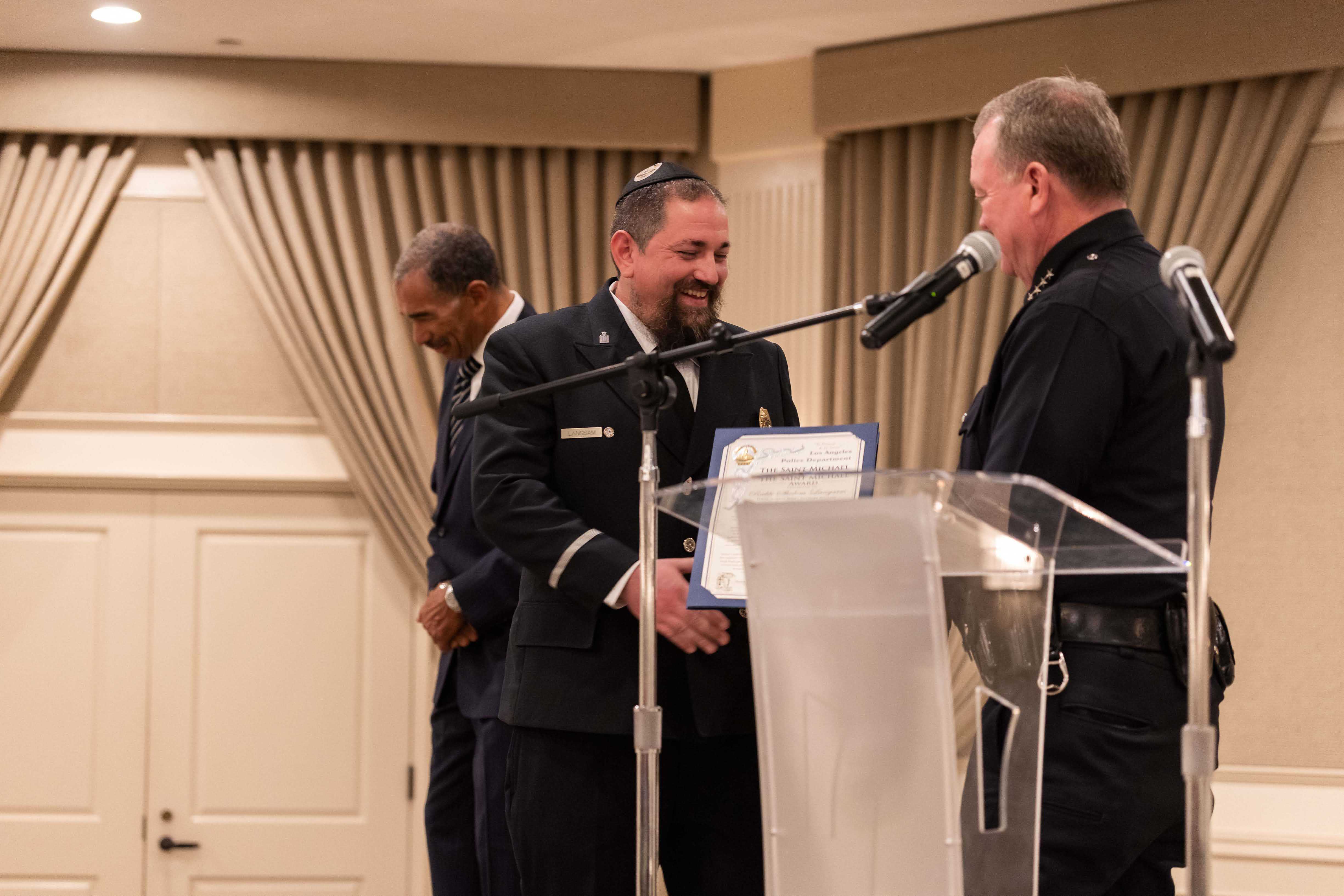
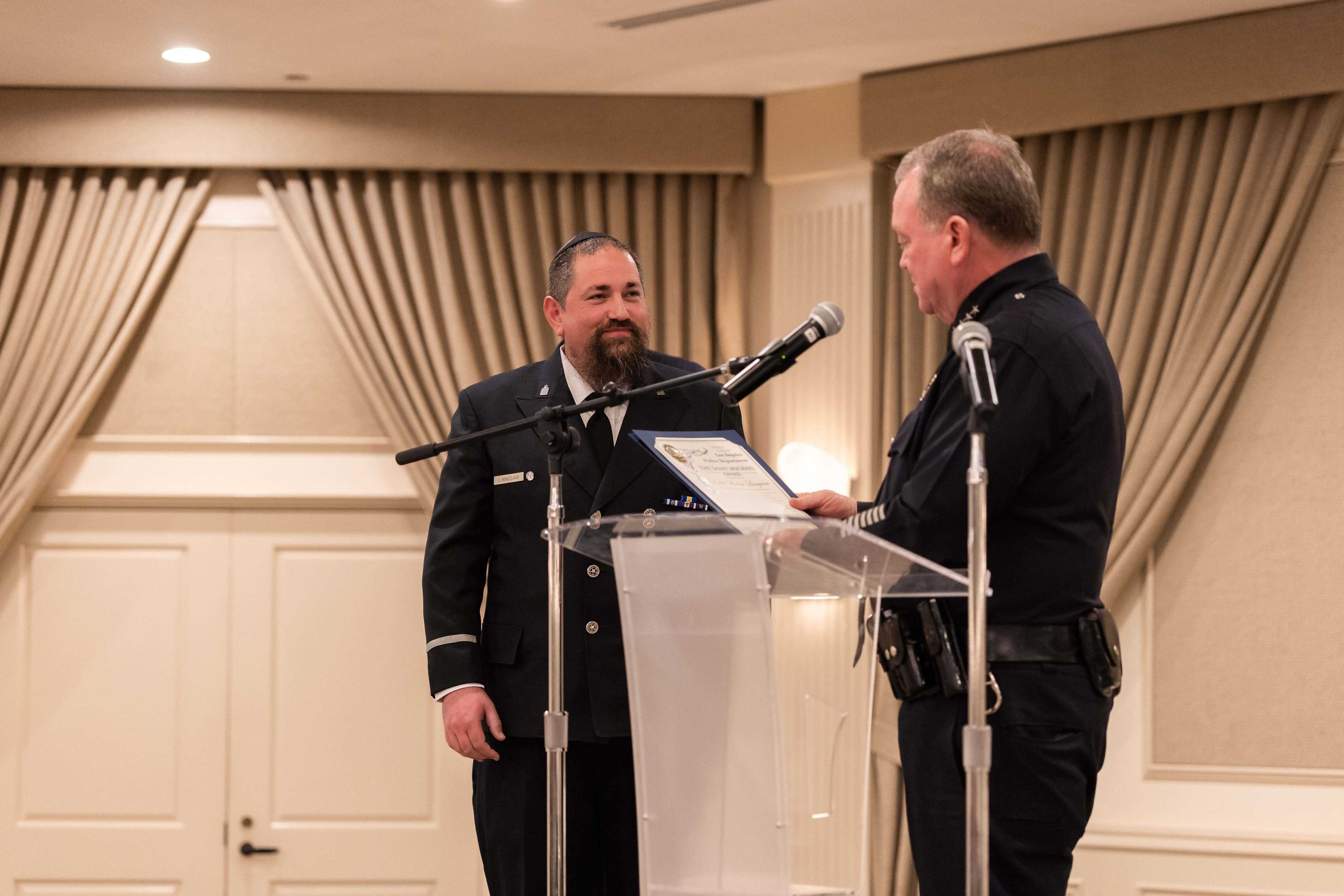
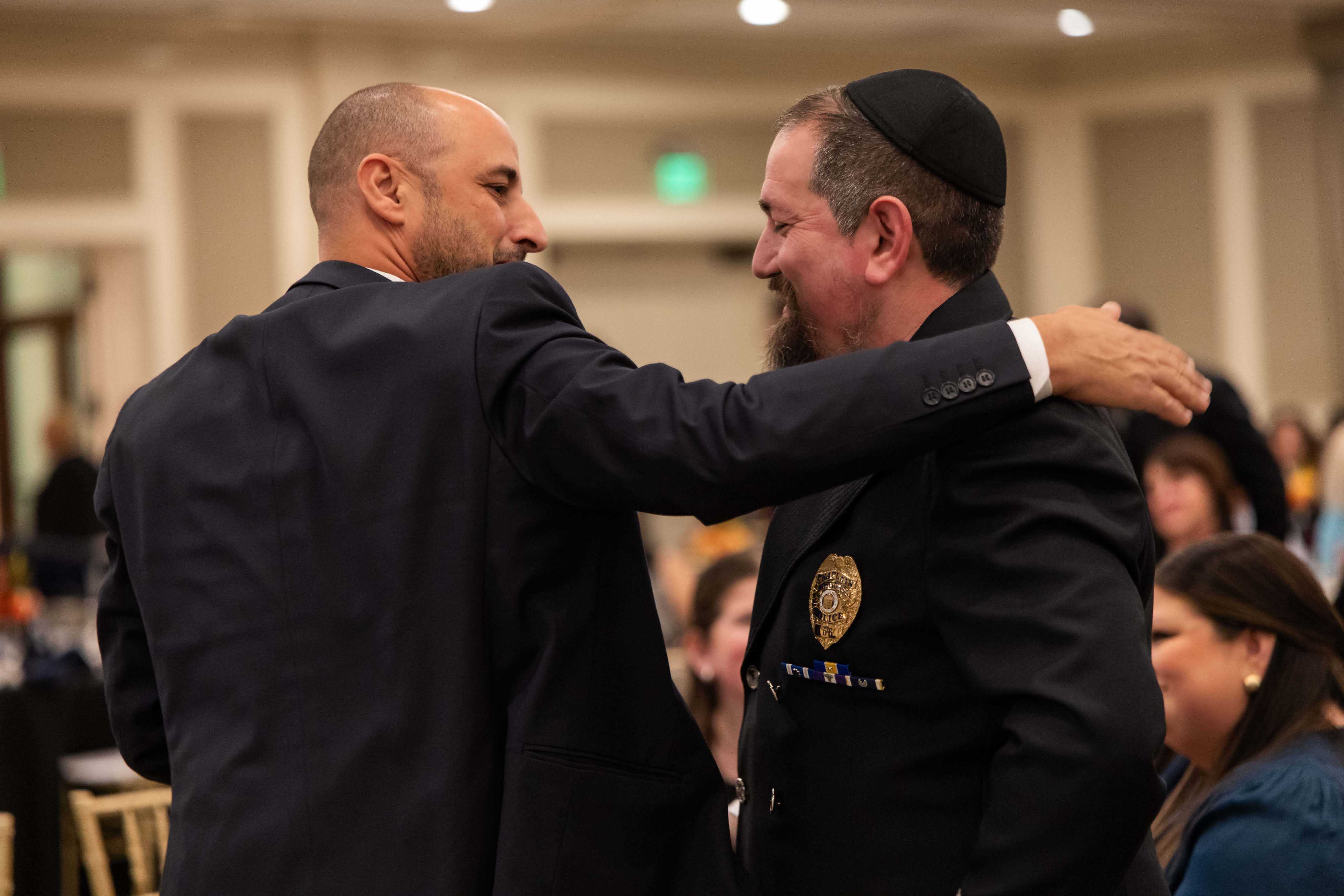
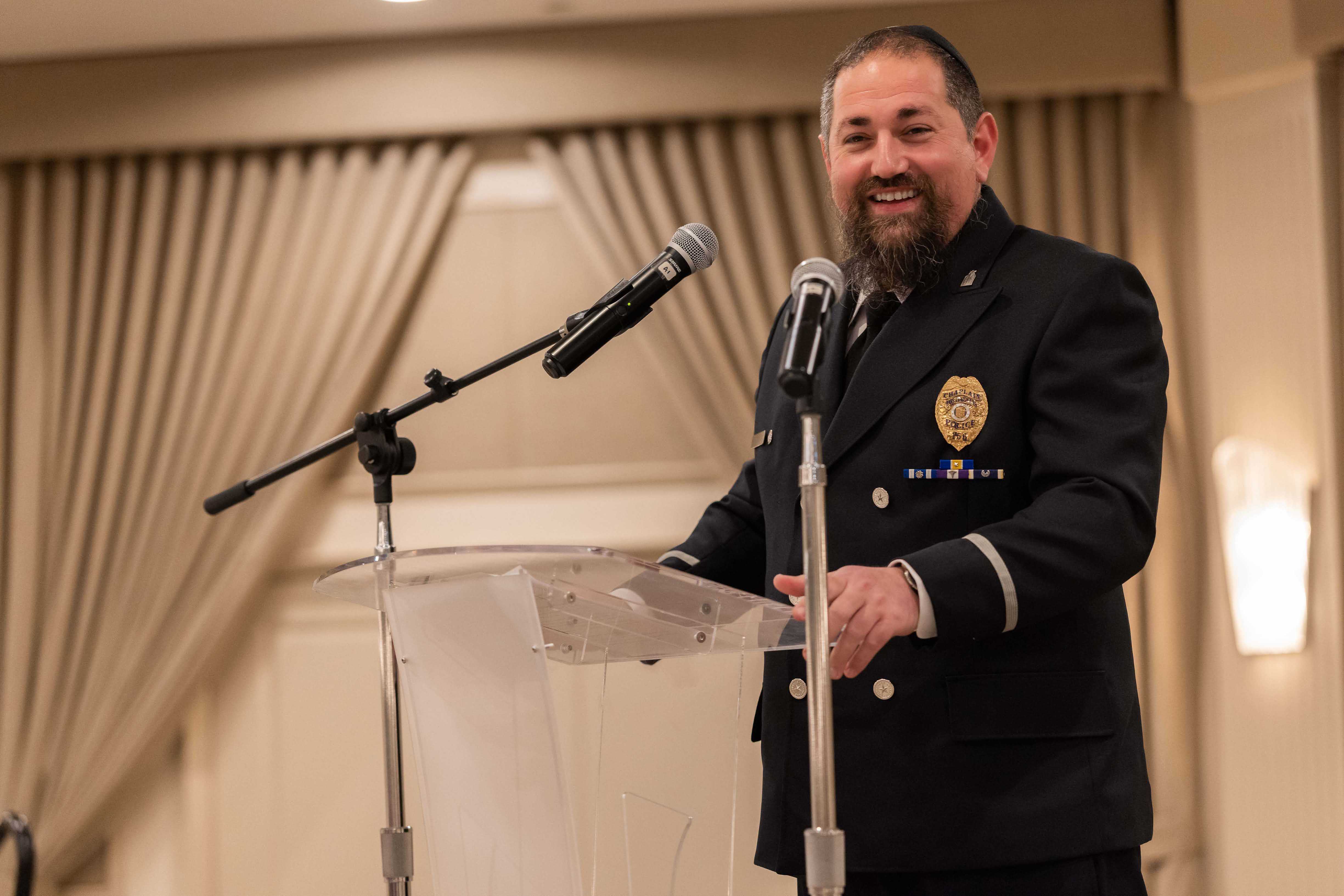
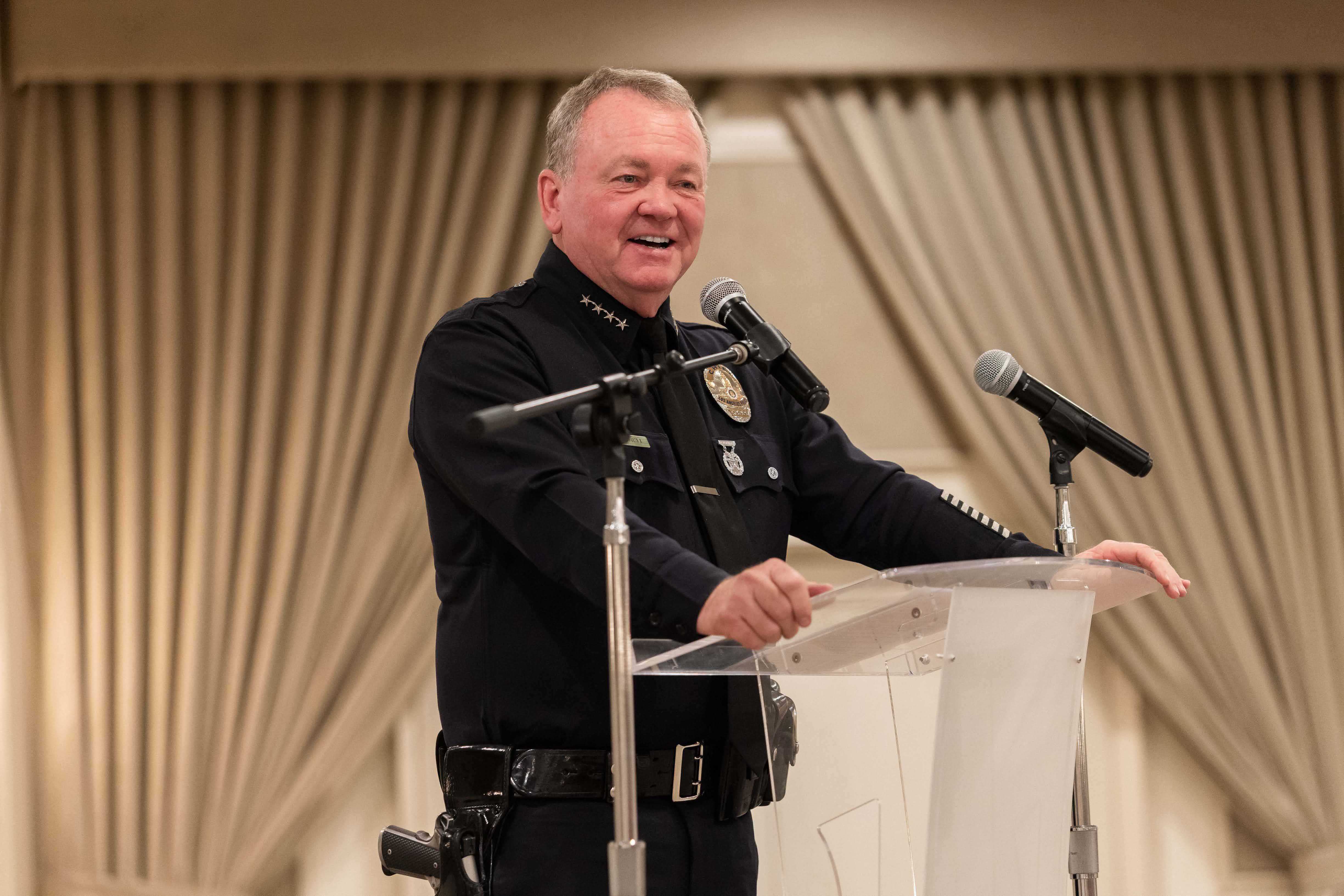
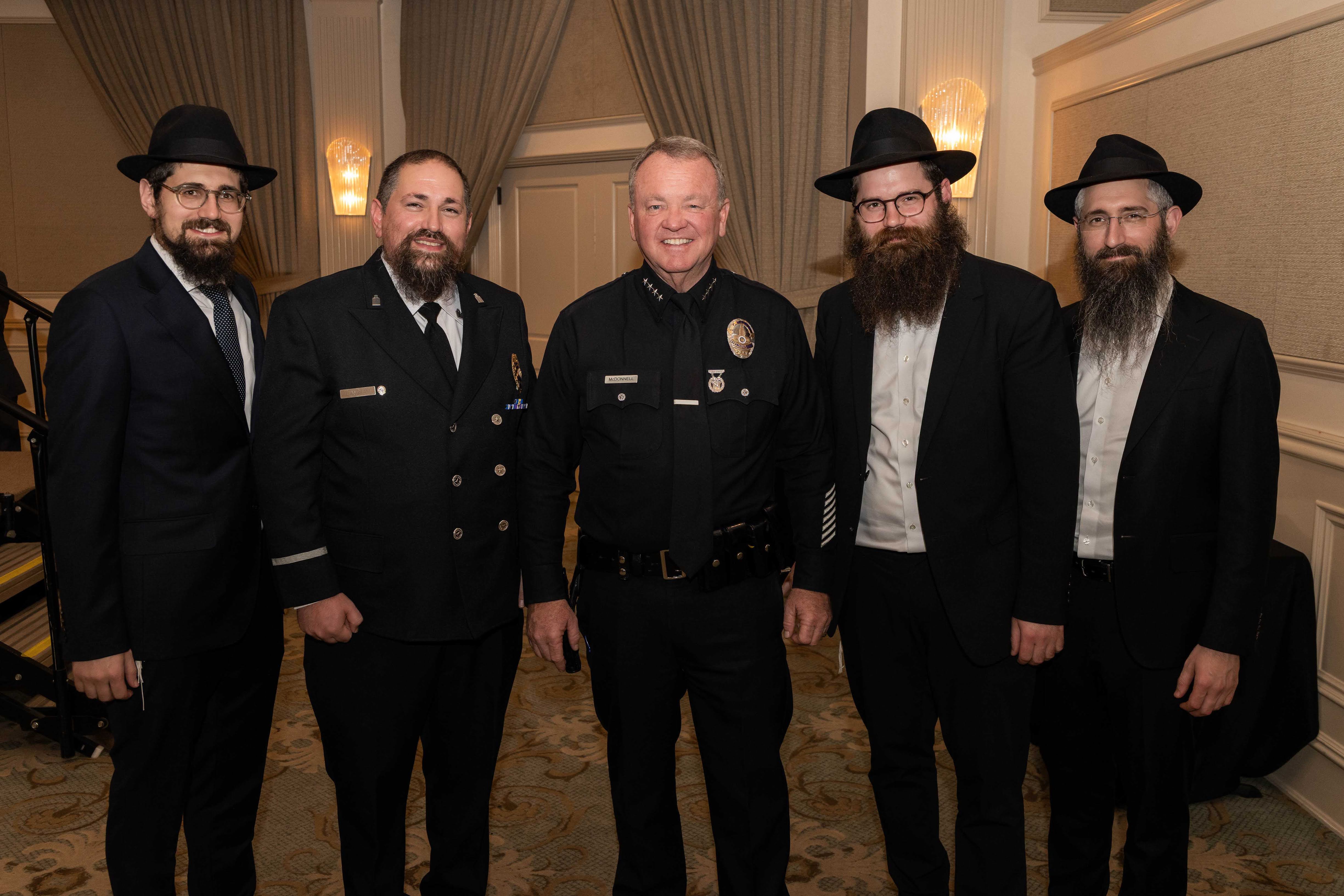
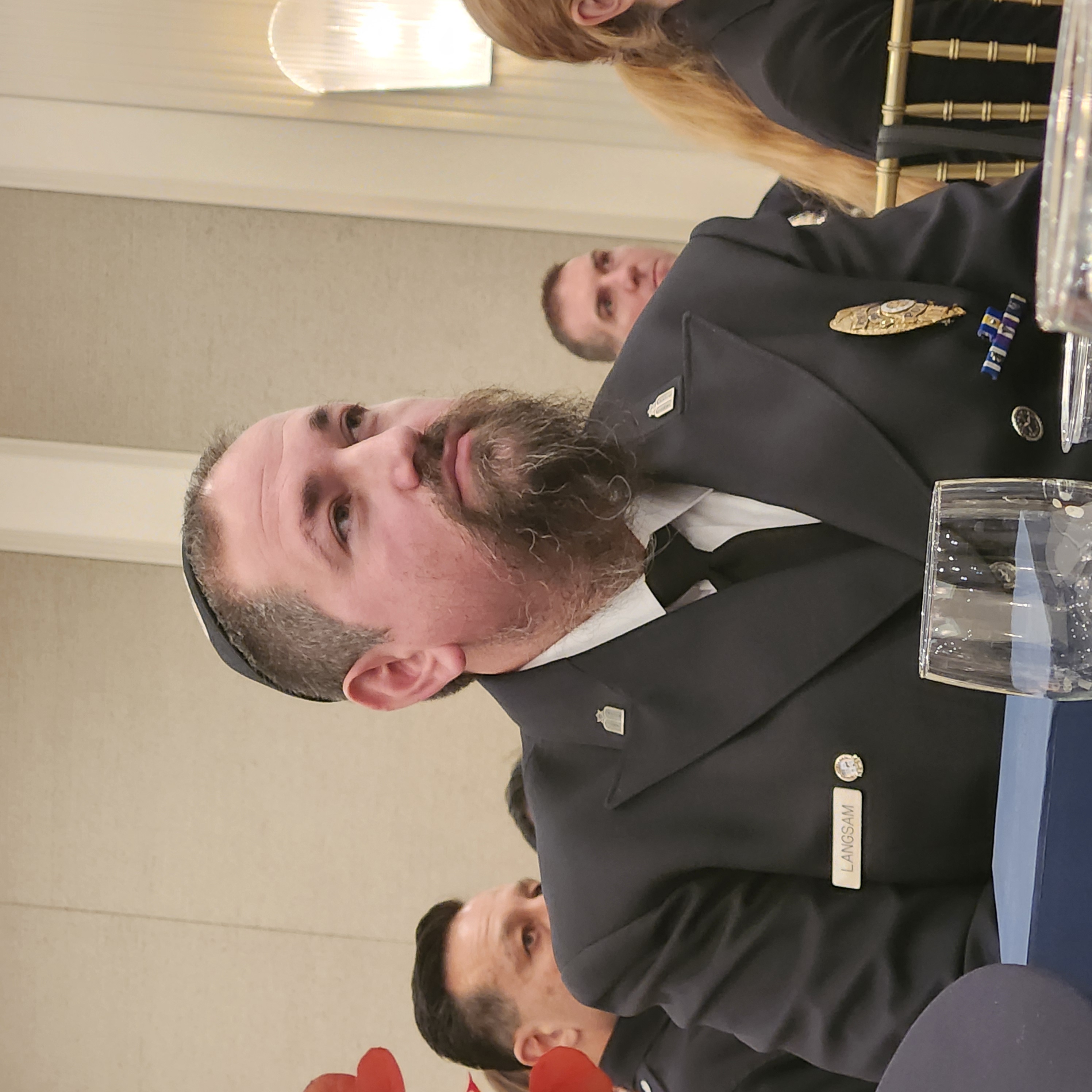
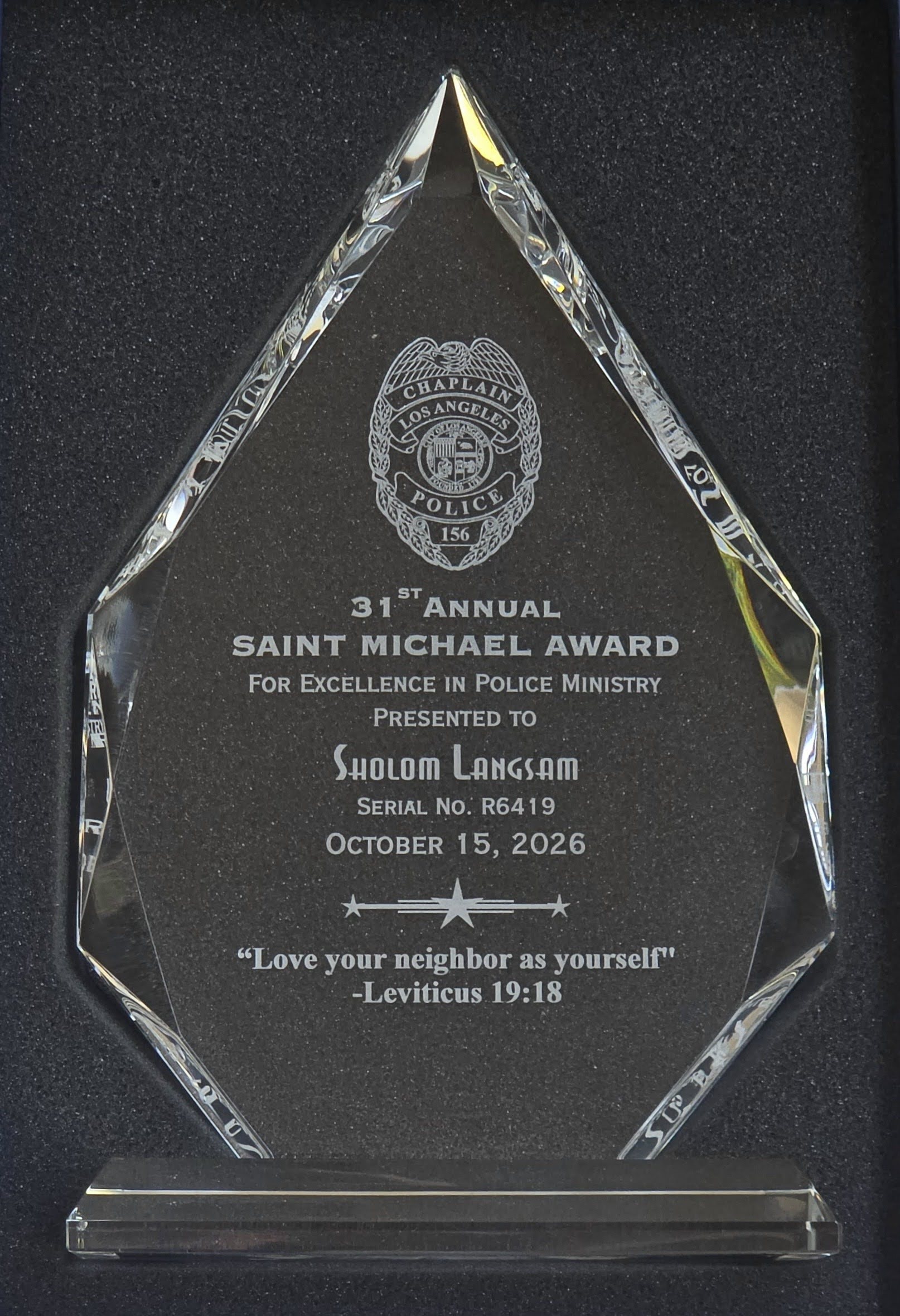
At the 31st Annual LAPD Chaplain Banquet, I was humbled to receive the Award for Excellence in Police Chaplaincy. It was especially meaningful to receive that recognition in the presence of LAPD Chief of Police Jim McDonnell, members of the Department’s command staff, fellow chaplains, officers, family and friends, including colleagues from other law-enforcement agencies with whom I have been privileged to build relationships over the years.
As grateful as I am for the award, what has stayed with me most is not the recognition itself, but the message behind the work.
In my remarks that evening, I shared a teaching from Jewish tradition that I believe speaks directly to the world of law enforcement. In Chassidic teaching, Malach Michael, the angel Michael, is associated with chesed, a Hebrew word that means lovingkindness, while Malach Gavriel, the angel Gabriel, is associated with gevurah, meaning strength, discipline, restraint, and judgment.
At first glance, those two qualities may seem like opposites. Kindness softens, while strength sets boundaries. Compassion embraces, while discipline sometimes requires saying no. Yet the Alter Rebbe, Rabbi Schneur Zalman of Liadi, founder of the Chabad movement and author of the Tanya, teaches that these qualities are not meant to remain in conflict. At their highest level, they work together.
That idea has become very real to me through my years of serving in law-enforcement chaplaincy.
A police officer must possess tremendous gevurah. The badge carries authority and responsibility. Officers must make difficult decisions, exercise judgment and restraint, remain disciplined under pressure, and, at times, move directly toward danger while everyone else tries to move away.
But strength alone is not enough.
Behind that strength there must also be chesed.
An officer still needs to be able to look at the person standing in front of him or her and see a human being, someone with a family, a history, fears, struggles, and dignity. Compassion does not weaken authority, and humanity does not diminish strength. In many ways, the finest form of strength is one that still leaves room for kindness.
That same balance also helps define the role of the chaplain.
Those who spend their careers responding to other people’s worst moments need someone who remembers that they, too, are human. Behind every badge is a husband or wife, a father or mother, a son or daughter. An officer may respond to a call involving an abused child, a violent confrontation, a death, or a family in crisis, and then be expected to move on to the next call before there has been time to process what just happened.
Most people will never see what officers see, and they may never fully understand what those experiences can carry into the home at the end of a shift.
A chaplain cannot erase those moments, but we can make sure the person carrying them does not always have to carry them alone.
That is why so much of chaplaincy happens in ordinary moments rather than dramatic ones. It happens during visits to a station, ride-alongs, hallway and office conversations, a cup of coffee, or a simple phone call to check in. Trust is rarely built for the first time during a crisis. It is built beforehand, through consistency, presence, and genuine relationships.
Over time, those relationships become the foundation that allows someone to call when words are hard to find.
For me, that is also part of a broader Jewish idea known as shlichus. The word literally means “mission,” but in Chabad thought it carries a deeper meaning: wherever G-d places a person, there is a purpose in being there. We each have opportunities, in our own environment, to bring greater kindness, faith, meaning, and awareness of G-d into the world around us.
For me, some of those places happen to be police stations, federal law-enforcement offices, military environments and emergency scenes.
That creates opportunities that might never exist in a more traditional Jewish setting. Some Jewish officers, agents, and service members may not regularly walk into a synagogue or attend a Torah class. Some may have little ongoing connection to Jewish communal life.
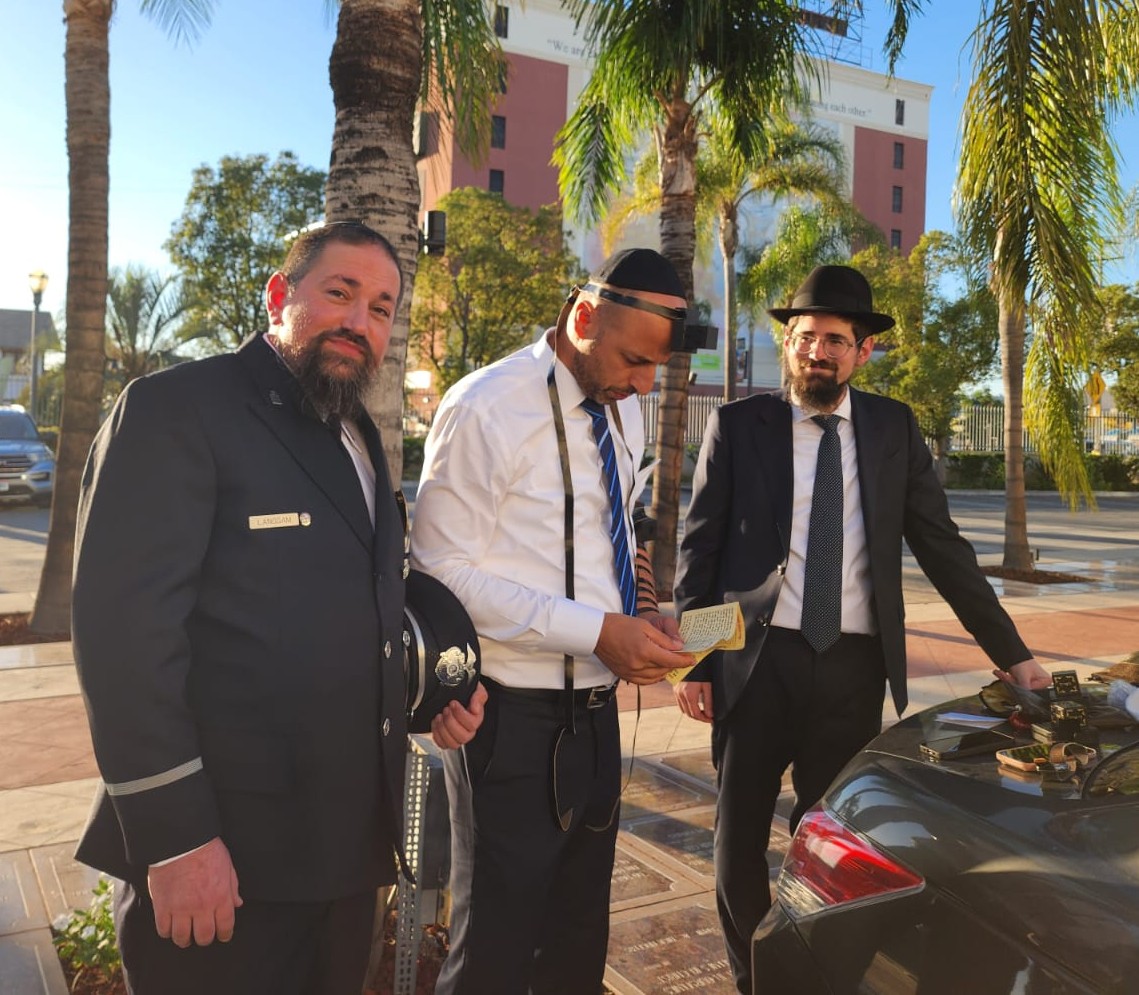
A station visit can become an opportunity to put on tefillin. A casual conversation can turn into a discussion about an upcoming Jewish holiday. Someone may ask a question about faith, family, or Jewish identity. Sometimes a Jewish officer simply wants to know that there is a rabbi in his or her professional world who understands the demands of the job and is available when needed.
Those moments matter deeply to me because chaplaincy can create access to Jewish souls that might otherwise be difficult to reach. Sometimes the connection is explicitly religious. At other times, it is simply the beginning of a relationship.
This mission has another side, too.
Many of my non-Jewish colleagues and fellow officers may have had little meaningful interaction with an observant Jew. For some, the rabbi who visits their station, attends their event, stands beside them during a difficult moment, or takes the time to listen may become one of their most personal encounters with Judaism.
Judaism has a concept called Kiddush Hashem, which means “sanctifying G-d’s name.” It means living in a way that honors G-d, Torah, and the Jewish people.
A Kiddush Hashem does not necessarily happen through a sermon or a religious discussion. Often it happens quietly, in how we speak to people, whether we keep our word, how we treat someone who is struggling, and whether we show up when needed.
Sometimes the most meaningful Jewish message is not spoken at all.
Several years ago, I was reminded of that in a very different way.
In 2020, I was selected as an LAPD Reserve Officer of the Year and as the West Bureau honoree at the Los Angeles Police Reserve Foundation’s Twice a Citizen Awards. The “Twice a Citizen” concept recognizes reserve officers who voluntarily serve their communities in addition to their civilian responsibilities.
As it happened, the event was scheduled for Shabbos, the Jewish Sabbath.
Shabbos begins before sunset on Friday and continues until nightfall on Saturday. For an observant Jew, it is much more than a weekly day of rest. It is one of the foundations of Jewish life, a sacred period in which we step away from ordinary weekday activity and dedicate the time to prayer, family, reflection, and spiritual renewal.
I was grateful for the honor, but I told my colleagues I couldn't participate in the ceremony.
My non-Jewish colleagues and fellow officers were surprised because they were accustomed to seeing me make myself available whenever I could. But I explained that although receiving an award was meaningful, it could not override Shabbos.
What stayed with me was the respect with which they received that decision.
That experience reinforced an important lesson for me: being fully engaged in the broader world does not require us to compromise who we are.
Sometimes creating a Kiddush Hashem means saying yes — showing up, answering the phone, being there when someone needs support. At other times, it means respectfully saying no because our values require it.
Both can be expressions of faith.
Today, my chaplaincy work extends across several agencies. I serve with the Los Angeles Police Department, the United States Secret Service, the FBI, Los Angeles County Probation, and as an ACS chaplain with the United States Coast Guard. Through SoulLinks, I also work with law-enforcement personnel, military members, veterans, and their families.
Outside of chaplaincy, I serve as a Mohel and am a longtime member of Hatzolah of Los Angeles.
On the surface, these roles may seem very different. A Bris marks a new life and celebration. Hatzolah responds to medical emergencies. Chaplaincy may involve grief, crisis, spiritual questions, or simply companionship. But I see a common thread running through all of them: being available when someone needs you.
My relationships within law enforcement also allow me to serve the Jewish community from another direction.
When a Jewish institution has a security concern, a family needs help communicating a religious sensitivity, or the community and law enforcement need dialogue, it helps to have someone who understands both worlds.
Part of communal service is building those bridges. The goal is never special treatment. It is simply to ensure legitimate needs are understood, religious sensitivities are communicated clearly, and community members know someone can connect them with the right people when a need arises.
That sense of responsibility is also at the heart of SoulLinks.
SoulLinks was created around a simple idea: those who spend their lives serving others also need people prepared to serve them.
Our mission is to provide Jewish chaplaincy, spiritual care, learning, lifecycle support, and relationship-based outreach to law-enforcement personnel, military members, veterans, and their families. We want to be present not only when tragedy strikes, but long before.
We want to build relationships, celebrate milestones, learn together, answer questions, and create connection. Ordinary days matter because they make trust possible on extraordinary ones.
One detail of the award I received at the LAPD banquet brought all of these ideas together for me.
Engraved upon it are the words, “Love your neighbor as yourself,” from Leviticus 19:18.
In Hebrew, the verse is V’ahavta l’reiacha kamocha. Rabbi Akiva, one of the great sages of Jewish history, described it as a fundamental principle of the Torah.
It is easy to speak about loving another person in the abstract. It is much harder — and much more meaningful — to live it.
Sometimes loving another person means comforting them. Sometimes it means protecting them. Sometimes it means listening. Sometimes it requires discipline, and sometimes it requires courage. And sometimes it simply means noticing that the person who spends all day caring for everyone else may need someone to care for them.
That brings me back to chesed and gevurah — kindness and strength.
We often speak as though we have to choose between them.
Judaism teaches otherwise.
Strength can carry compassion. Kindness can require enormous courage. And when the two come together in service of something larger than ourselves, each becomes stronger.
That is what I see in the finest men and women of law enforcement.
And that is what I hope to bring to them as a chaplain.
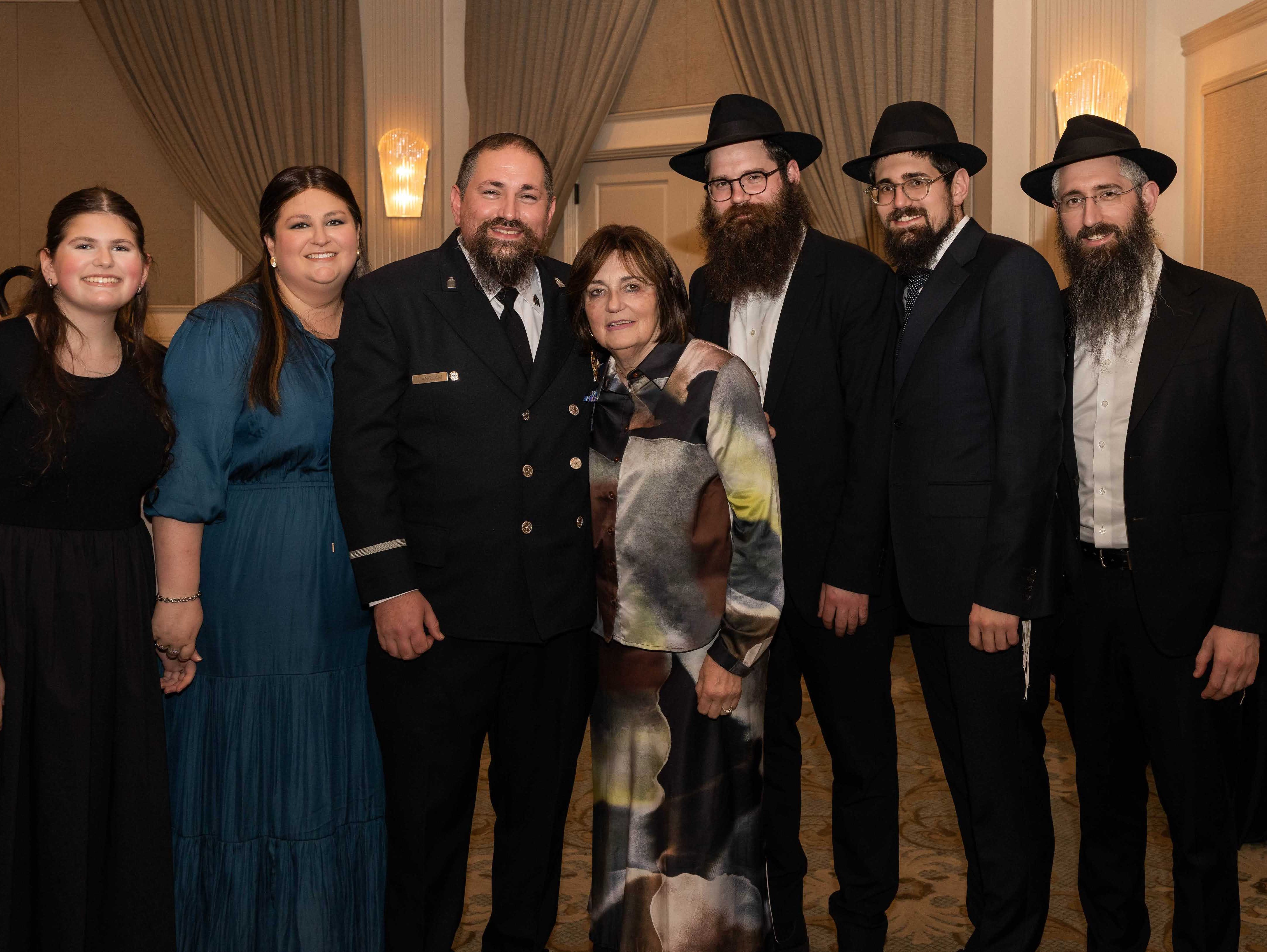
None of this work is done alone. My wife, Ruchama, and our children live this mission with me. They hear the late-night phone calls, live with the schedule changes, and know that when I say, “I just need to stop by the station for a few minutes,” the definition of “a few minutes” can sometimes be rather flexible.
Their support makes my availability possible, and whatever good I accomplish belongs to them as well.
Receiving the Award for Excellence in Police Chaplaincy was deeply humbling, but the award itself is not the destination.
It is a reminder of the responsibility: to keep showing up, to keep listening, to keep building trust, to remain proudly rooted in who I am while entering places where that Jewish presence may be unusual, to reach people who might otherwise never cross paths with a rabbi, and to bring kindness, faith, and humanity into every relationship.
At SoulLinks, we describe that mission in four simple words:
Serving those who serve.